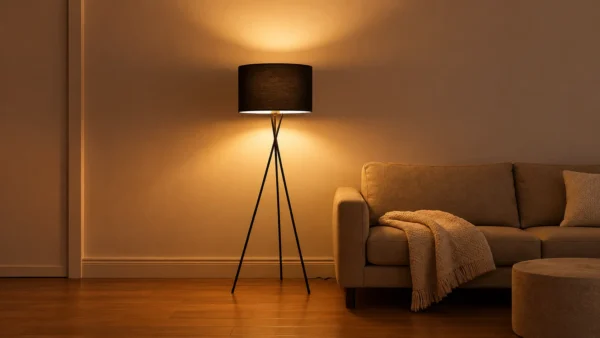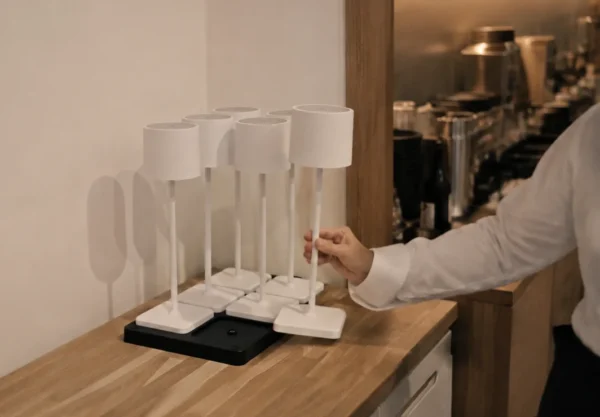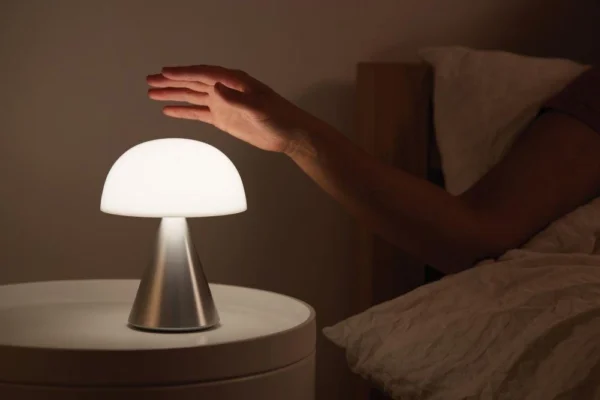

Integrated LED lamps give designers more freedom over shape, light distribution and built-in controls. With the light source designed into the lamp, the housing, optics and electronics can be developed together around a specific use. That is useful when a lighting brand wants a compact reading head, a shaded table light or a rechargeable design.
An integrated LED lamp has its light source built into the fixture. It usually has no conventional bulb for the user to remove and replace. The value comes from how well the complete lamp performs, alongside the service options available when a component wears out.
For brands, importers and wholesalers choosing a lamp range, the main benefits are design flexibility, useful light delivery and control over the lighting functions. LED efficiency supports those benefits, but integration alone does not guarantee better performance.
Why Can Integrated LED Lamps Be More Compact?
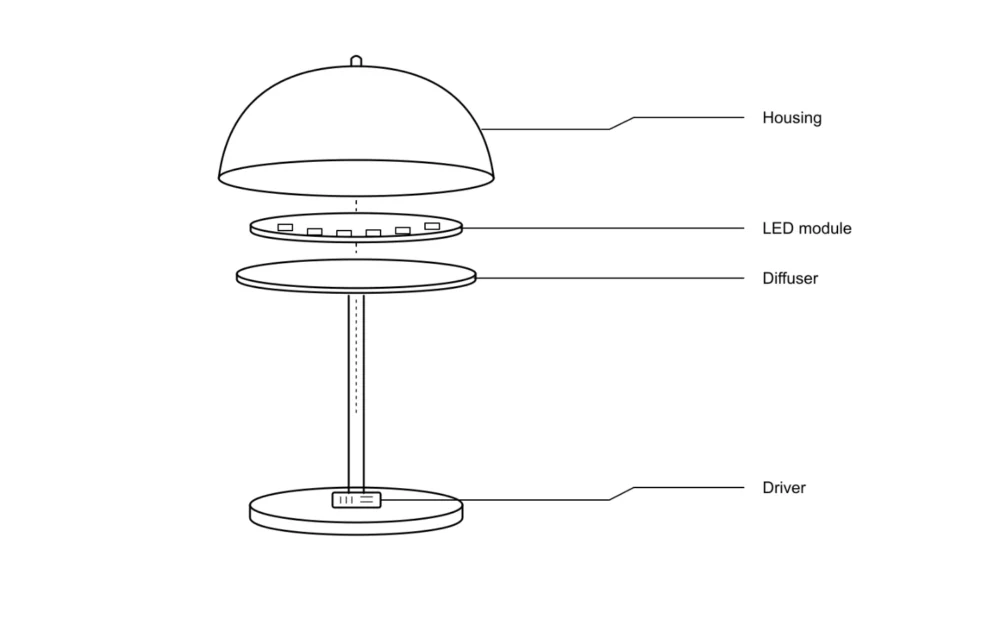
An integrated design removes the need to fit a conventional bulb and socket inside the lamp head. The manufacturer can arrange the LED board, diffuser and surrounding structure to suit the intended shape.
That freedom can produce a shallow shade, a narrow reading head or a slim stem with controls built into the body. It also allows the visible shape and illuminated area to be developed together. A lamp can look compact while directing light across a wider surface than its head might suggest, depending on the optics.
The important benefit is usable space. A compact head can leave more room above a book, while a smaller assembly can make an adjustable arm less intrusive. For a product range, integration offers scope to develop a recognizable silhouette rather than choosing a housing mainly to accommodate a standard bulb.
Small LEDs still need space for cooling, connections and structure. Heat from the light source must reach a surface that can release it into the air. A thinner enclosure is not automatically a better design if it leaves the electronics crowded or the light source poorly cooled.
A useful design brief therefore starts with the desired footprint, adjustment range and illuminated area together. Those requirements show where a compact construction adds value and where the lamp needs more space.
How Do Integrated LED Lamps Control Light?
Integrated lamps let the designer coordinate the light source, shade and diffuser around the surface being illuminated. A reading lamp can concentrate useful light on a page; a decorative table lamp can create a broader pool of light or illuminate its shade.
Those are different jobs. More total output will not necessarily improve either one. Light spilling toward the reader’s eyes can be distracting even when the page is bright, while a tightly focused beam may look uneven on a dining table.
For example, iLEDGlow’s clip-on LED lamps use flexible arms to position the head over a task. The clamp saves space on the supporting surface, and the adjustable head helps the user change where the light falls. Those mechanical features work alongside the light-source arrangement; they are not supplied by the LED chip itself.
For a brand developing a reading lamp, a useful comparison shows the complete open book at the intended working distance. For a table-light collection, the comparison should show the shade and the surface below it. Using the same viewing position and exposure makes sample photographs easier to compare, although photographs do not replace photometric measurements.
Integration gives the designer tools to shape the beam. The result still depends on the actual optics and placement, so a low-glare claim needs evidence from the finished lamp.
Are Integrated LED Lamps Energy Efficient?
Integrated LED lamps can provide useful light with low electricity demand. Most of that advantage over incandescent lighting comes from LED technology. The integrated construction gives the manufacturer more freedom to manage optical losses, power conversion and heat within the finished product.
Compare complete lamps doing the same job. Lumens describe total light output, watts describe power consumption, and lumens per watt express their relationship. A reading lamp also needs to deliver that light to the reading area. Two lamps with the same total output can produce different results on the page.
A diffuser can spread light more evenly while absorbing some of it. A shade can shield the source while directing light downward. These are useful choices, even when they reduce the amount of light leaving the lamp. The appropriate balance depends on whether the product is intended for task lighting or atmosphere.
Integration does not establish that a lamp is more efficient than every model using a replaceable LED bulb. That comparison requires whole-product measurements under comparable conditions.
For a lighting specification, keep input power, total output and light distribution together. This supports a clear energy-efficiency claim without confusing the LED board’s performance with the performance of the complete lamp.
Can Integrated LED Lamps Be Dimmed?
Integrated LED lamps can include brightness and color controls when the light source and electronics are designed for them. Building these parts into one product lets the manufacturer define the adjustment range and control sequence together.
Brightness control
A lamp used for both a stronger reading setting and a soft background glow benefits from a useful dimming range. Maximum output alone does not describe that flexibility. The lowest setting needs to be low enough for its purpose, and the intermediate settings need to make adjustment comfortable.
Touch, button and remote controls are interface choices. They do not establish how smoothly a lamp dims or how stable its output remains. Driver design affects flicker, including during dimming, so integration should not be described as a guarantee of flicker-free light.
White-light color control
Brightness and LED color temperature describe different characteristics. A fixed-white lamp can dim while retaining approximately the same white-light appearance. Other designs offer preset color temperatures, continuous white-light adjustment or dim-to-warm behavior.
A brand can choose the control approach to match the product’s role. A decorative lamp may benefit from a simple brightness control; a lamp used in several settings may benefit from separate brightness and color choices. More modes also mean more actions for the user. Define the functions that serve the product’s main use before adding extra settings.
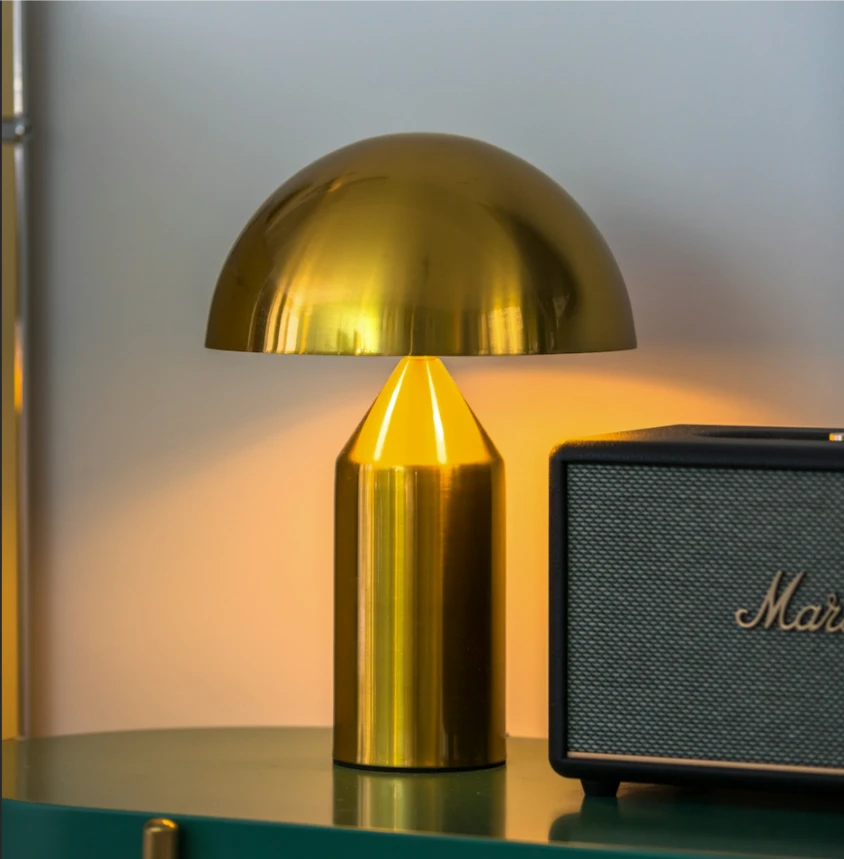
Why Are LEDs Used in Rechargeable Lamps?
LEDs need less energy than incandescent sources for comparable light output, making them useful for battery-powered lighting. Integrated construction allows the light source, controls, battery and charging connection to be arranged within the lamp.
This combination supports portable products for tables and other locations without convenient outlets. The efficiency comes from the lighting system; the freedom to move the lamp during use comes from the battery. An integrated lamp can also be mains-powered, and a USB-powered lamp is not necessarily rechargeable.
For example, iLEDGlow’s rechargeable table lamps include designs with USB-C connections or contact charging bases. These offer different charging routines for a lamp that operates without a cable while in use. They do not remove the need to recharge it.
The product’s lighting role determines the battery demand. A soft table glow and a brighter reading setting can place different demands on the same battery. A compact body also limits how much room is available for the battery and electronics, so increasing runtime can affect size or weight.
For a new range, specify the required brightness and operating duration as a pair. That sets a clear design target and makes runtime comparisons more useful than an unexplained maximum-hours claim.
What Are the Drawbacks of Integrated LED Lamps?
The main limitation is that the light source usually cannot be changed like a conventional bulb. The lamp’s appearance and lighting functions are largely determined by its built-in components, and a component failure can require service or replacement of the whole lamp.
This also affects future changes. A buyer cannot assume they can fit a different bulb to obtain a warmer light, higher output or a new control function. Those requirements need to be considered when selecting the model or developing the product.
A long LED useful-life rating does not cover every part equally. Drivers, switches and rechargeable batteries have their own operating limits.
The distinction between light-source ratings and integrated LED lamp lifespan matters when describing how long a product should remain useful. Confirm the actual service options and written warranty rather than treating the LED rating as a whole-lamp guarantee.
For a brand, the strongest reason to choose integration is a clear product benefit: a more suitable shape, better-directed light or controls that fit the intended use. Agree on those requirements early and judge the complete sample against them. A design earns its place in a collection when its construction improves the job the lamp is meant to do.