
Circadian Lighting for Wholesale & OEM
Factory-direct amber and deep-red A19 bulbs and rechargeable clip-on reading lights. Standard wholesale from 200 pcs per model. New OEM/ODM designs from 500 pcs. Paid samples, custom logos and packaging.
Explore Our Circadian Lighting Range
Compare two dimmable A19 circadian light bulbs—1800 K amber for evening lighting and 670 nm deep red for bedside use—plus a rechargeable clip-on reading light.
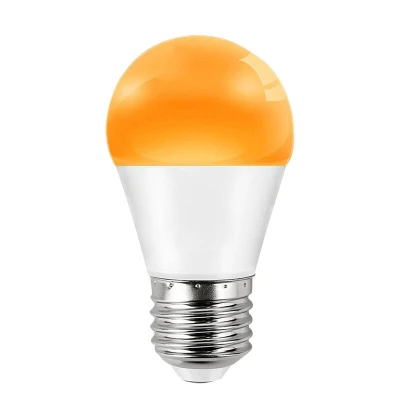
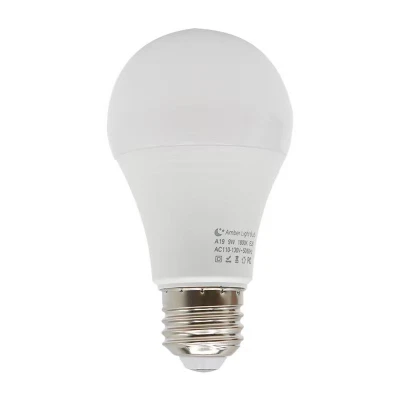
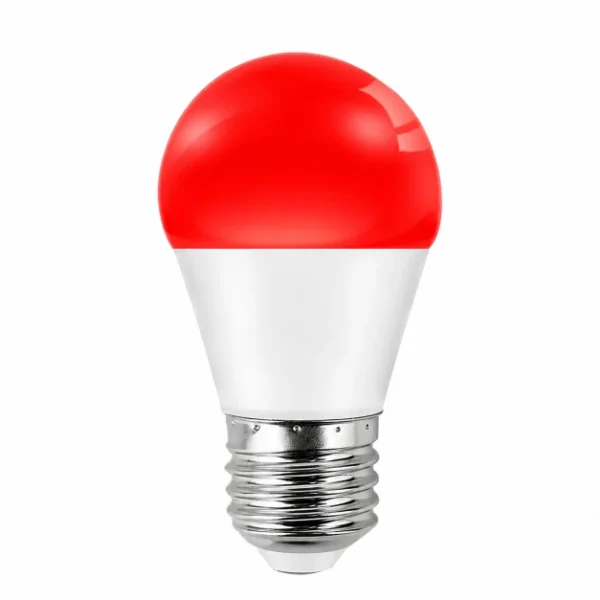
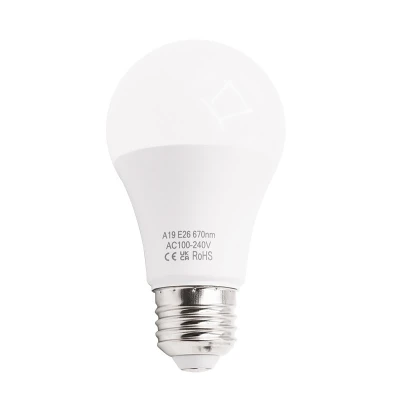
Dimmable A19 bulbs
Adjust room light with a compatible dimmer.
E26 or E27 options
Specify the screw base and voltage for your market.
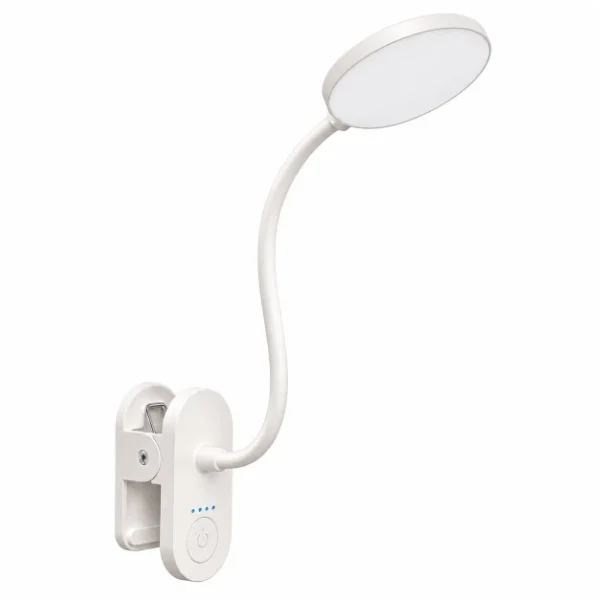
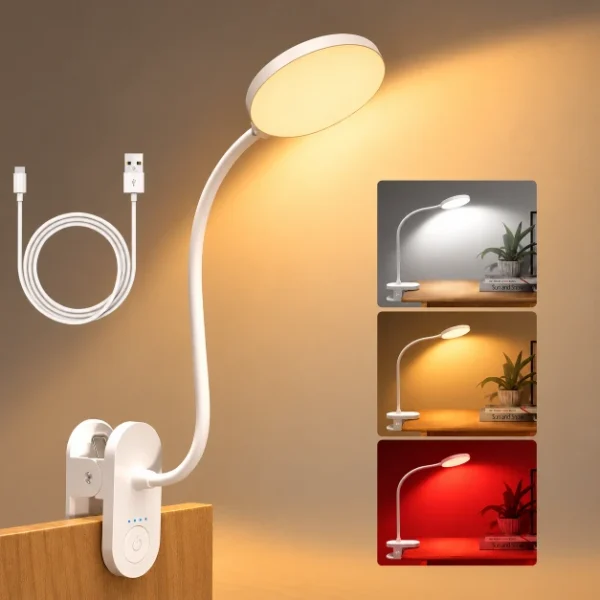
Rechargeable clip-on
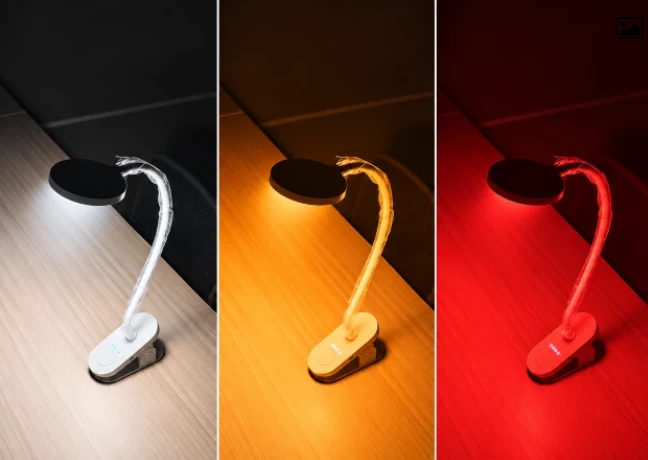
White, amber and red modes with separate brightness controls.
What Is Circadian Lighting?
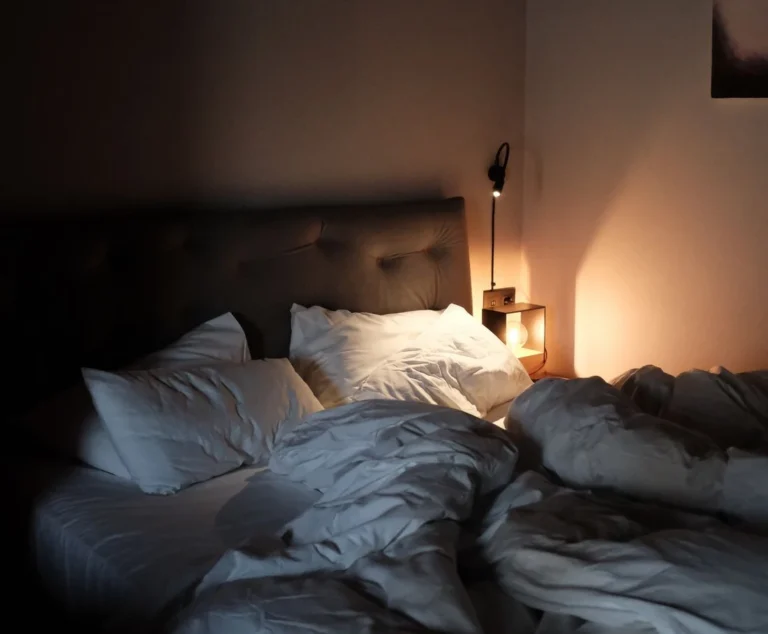
Circadian lighting mimics natural daylight cycles—using bright, cool light by day for alertness, and shifting to dim, blue-light-free warm light at night so the body can produce melatonin for sleep.
Because human body clocks react directly to light timing, brightness, and wavelengths, shoppers increasingly look for fixtures that eliminate blue light three hours before bed. This drives steady retail demand for sleep-friendly evening lighting.
To build a complete evening assortment, match each SKU to a specific bedroom task: stock 1800K amber bulbs for warm ambient glow, 670nm deep-red bulbs for glare-free bedside lamps, and clip-on lights for focused reading.
Amber Light Bulbs for Evening Use
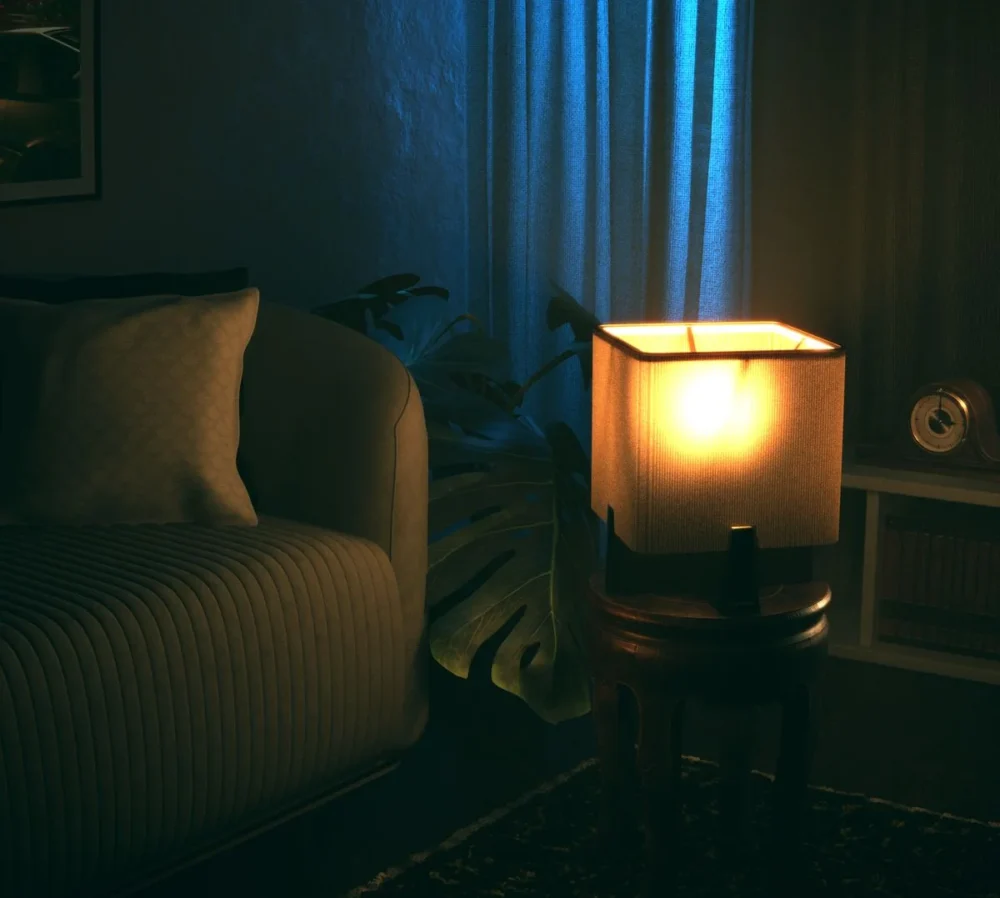
After dinner, you might switch off the ceiling lights and leave the lamp by the sofa on. If that lamp still gives off the same white light you use during the day, the 1800 K Amber A19 LED Bulb lets you give it a distinctly amber glow by changing the bulb.
If you’re sourcing a bulb for lamps customers already own, check the bulb’s diameter and overall length as well as the screw base and voltage. A bulb can fit the socket and still sit too high inside the shade.
Red Light Bulbs for the Bedside
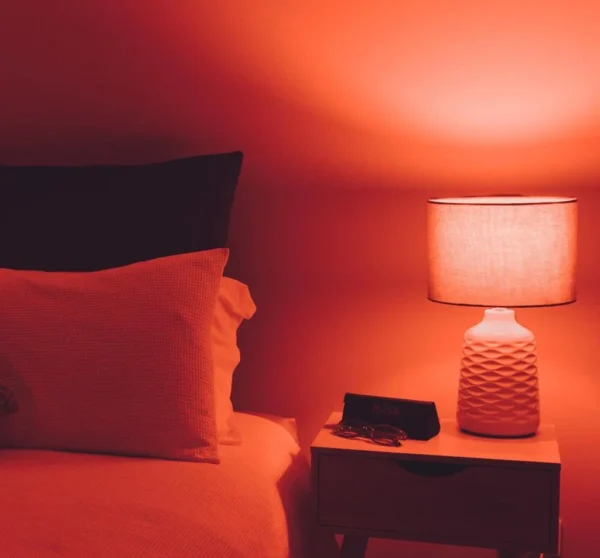
If you wake up and reach for a glass of water, you only need to see what’s on the nightstand. The 670 nm Deep Red A19 LED Bulb gives a compatible bedside lamp a distinct red glow for brief use at night.
Amber and deep red serve different uses. Amber works for general evening light. Deep red is better suited to brief bedside use, where telling colors apart matters less.
Clip-On Light for Reading in Bed
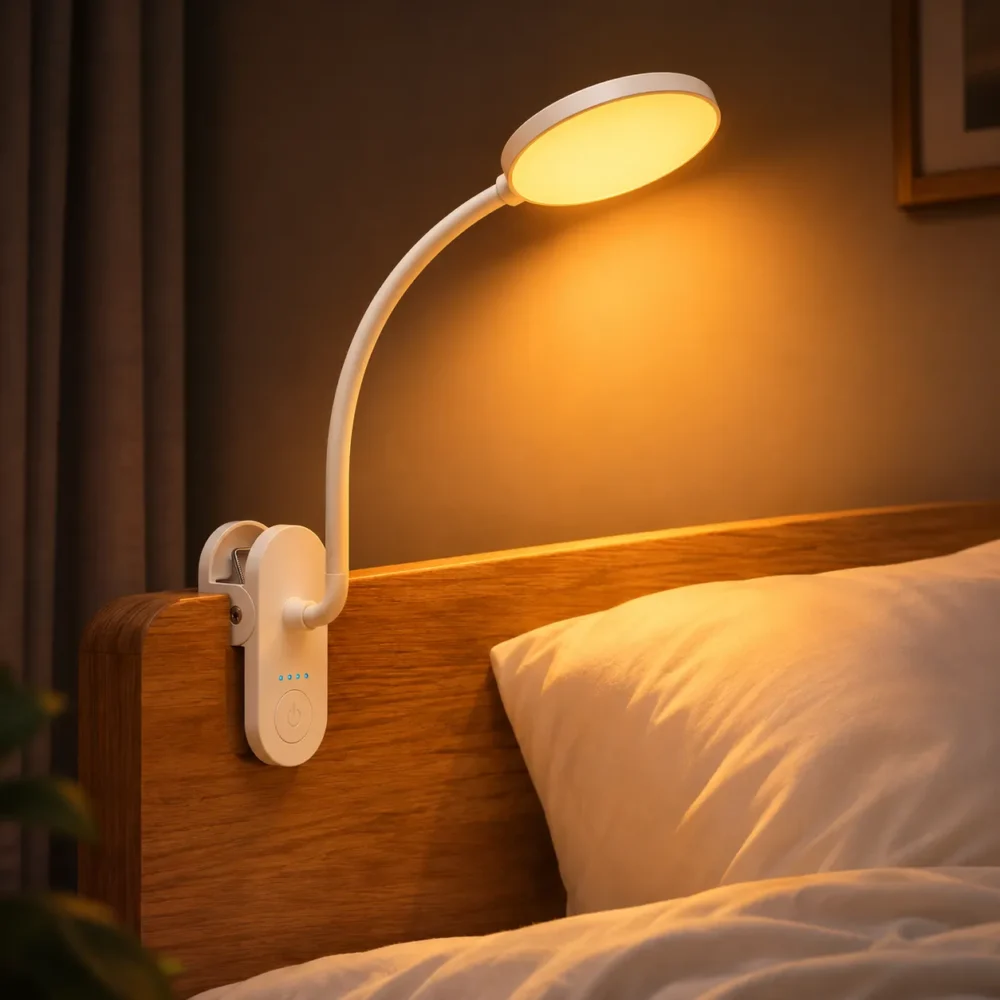
Your partner has turned their light off, but you still want to finish the chapter. The rechargeable Three-Mode Clip-On Reading Light attaches to a suitable headboard or desk edge. Bend the 38 cm gooseneck toward the open book, then choose white, amber, or red and adjust the brightness separately.
When evaluating a sample, clamp it where customers would use it and check whether the arm reaches the book and lights both pages. A lamp can fit the headboard and still fall short of the reading position.
Product Selection & Fit Essentials
Key evaluations to confirm spectrum choice, fixture clearance, and beam control before finalizing your assortment.
Amber or red?
Amber works as ambient light after dusk. Deep red is a distinct bedside option. To compare amber and red light for reading, use the same page and distance and check small print and colored illustrations.
Will the bulb fit?
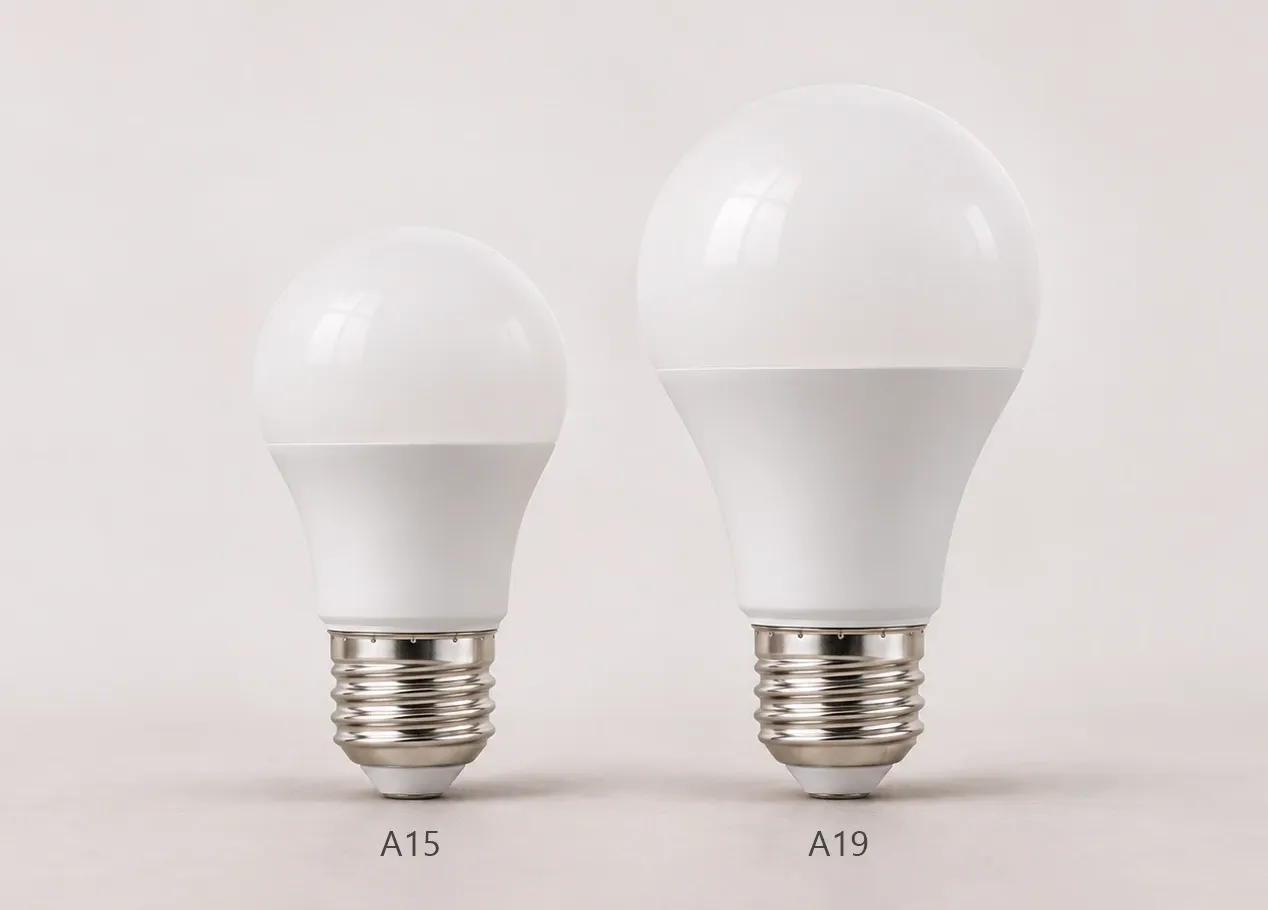
If you’re replacing a smaller bulb, compare A15 and A19 dimensions and measure clearance above and around the bulb. Test how the lampshade changes the light before selecting a fixture for the range.

How bright at the page?
When you compare reading light styles, look at the available mounting point and reach. With the book in position, judge brightness at the page and check for glare, uneven coverage and spill into the room.
Who We Supply
Lighting & wellness brands
Pair the amber and red A19s to cover evening ambient and nighttime bedside lighting. At the standard MOQ, two models start at 400 units total. If you need branded boxes, request a separate quote for the packaging.
E-commerce sellers
Start with one clip-on SKU if your customers already buy reading accessories. Use a paid sample to check clip fit, brightness and what comes in the box, then quote the launch quantity.
Importers & distributors
Start with the screw base and voltage combination your market needs. Share quantities by model and configuration so we can confirm how the order is split and whether versions can ship together.
Wholesale Terms at a Glance
Evaluate samples first, then request a quote for your standard order or private-label lighting project.
- Standard wholesale MOQ per model
- 200 pcs
- New OEM/ODM designs
- From 500 pcs
- Typical paid sample preparation
- 10–15 days
- Samples
- Charged per unit. Request one model or one of each to compare.
- Production
- Typically 30–35 days for orders of 200–1,000 pcs. Confirm timing for your configuration.
- Estimated transit
- Express 3–5 days
- Air 5–8 days
- Sea 20–30 days
Timing varies by route and shipment.
- Payment
- T/T. Samples paid in full upfront. Bulk orders require a 30% deposit and the balance before shipment.
- Trade terms
- EXW, FOB and DDP. DDP is available for eligible destinations in the US, UK and EU.
- Warranty & documents
- One-year warranty. We confirm CE, FCC and RoHS documents by model and market. UN 38.3 battery test reports are available for rechargeable models.
From inquiry to delivery
-
01Share your brief
Tell us which models you need, the quantity for each, your target market and any branding or packaging requirements.
-
02Review the quote
Check the bulb base and voltage, MOQ, sample cost, packaging and lead times.
-
03Approve a sample
Check the light color, bulb fit or clip placement, and brightness controls before production.
-
04Confirm delivery
Agree on final quantities, inspection requirements, shipping terms and the delivery address.
Wholesale Circadian Lighting FAQs
Can I order samples of all three models?
Yes, request one of each model in your inquiry. Samples are charged per unit. Include the bulb base and voltage you want to test and your delivery country.
Can I split 200 bulbs between E26 and E27 or two voltages?
The standard MOQ is 200 pieces per model. Share the quantity for each base and voltage so we can confirm the minimums for that split and whether the versions can ship together.
Does a branded box have the same MOQ as a standard order?
It depends on the model, the packaging and the scope of the change. Share your logo or artwork and tell us whether you need a box, label or manual. New OEM/ODM designs start at 500 pieces.
What should I send for a DDP quote?
Send the model, quantity by configuration, packaging requirements and delivery postal code. For destinations in the US, UK and EU, we can quote eligible DDP routes and confirm what the quote covers.
How do I compare light output and spectrum?
Use measured lumens for total light output and a spectral report tied to the model or mode for wavelength content. The 1800 K and nominal 670 nm values describe light color. If a listing needs a brightness comparison, check how “60W equivalent” relates to measured lumens.
Contact Us
Let’s Build Your Next Lighting Project Together
Whether you have a ready BOM, a concept sketch, or just a rough idea — our engineering team is ready to help. We’ll respond within 12 hours.