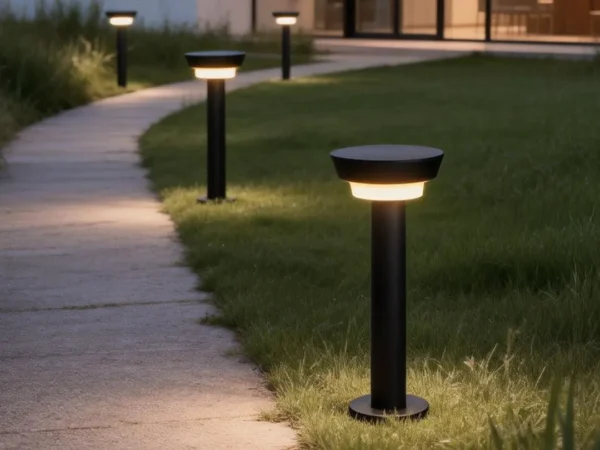
A good floor lamp behind a sofa has a clear purpose: bring light over a reading seat, add a soft glow behind the furniture, or complete an open seating area. For a lighting brand or distributor, that purpose gives customers a reason to choose the product beyond its appearance.
At iLEDGlow, we recommend building a collection around those uses. Our floor lamp collection includes different shapes and materials, so the starting point is the customer you want to serve. From there, size, finish and lighting features become easier to choose.
Which sofa layouts should your collection cover?
We would start with the sofa arrangements your customers are likely to have. A lamp that works well with a sofa against the wall may serve a different purpose beside a floating sectional.
| Sofa arrangement | A useful product direction | What customers gain |
|---|---|---|
| Sofa against a wall | A compact upright or reading lamp at the open end | Light near the seating without a large projection into the room |
| Sofa away from the wall | An arc that brings the shade over a seat | An overhead light position without a ceiling fitting |
| L-shaped sectional | An adjustable lamp aimed at a chosen seat or corner | Light where someone reads or relaxes within the larger seating group |
For the sales team, those uses can become simple product descriptions: a lamp for sofa reading, a lamp that reaches over a sectional, or a shaded light for evening ambience. We would choose the images around the same use, so the customer sees what makes each option relevant.
Wall-backed sofas and smaller rooms
For these customers, a lamp’s footprint can be as important as its style. A slim pole looks discreet, but the base and shade still need room. We would favor a design whose size and intended position are easy to explain in a product photograph.
A reading lamp at the open end can be a useful choice when there is little space behind the sofa. Its value is the light it brings to a seat, rather than how much of the room it fills.
Floating sofas and sectionals
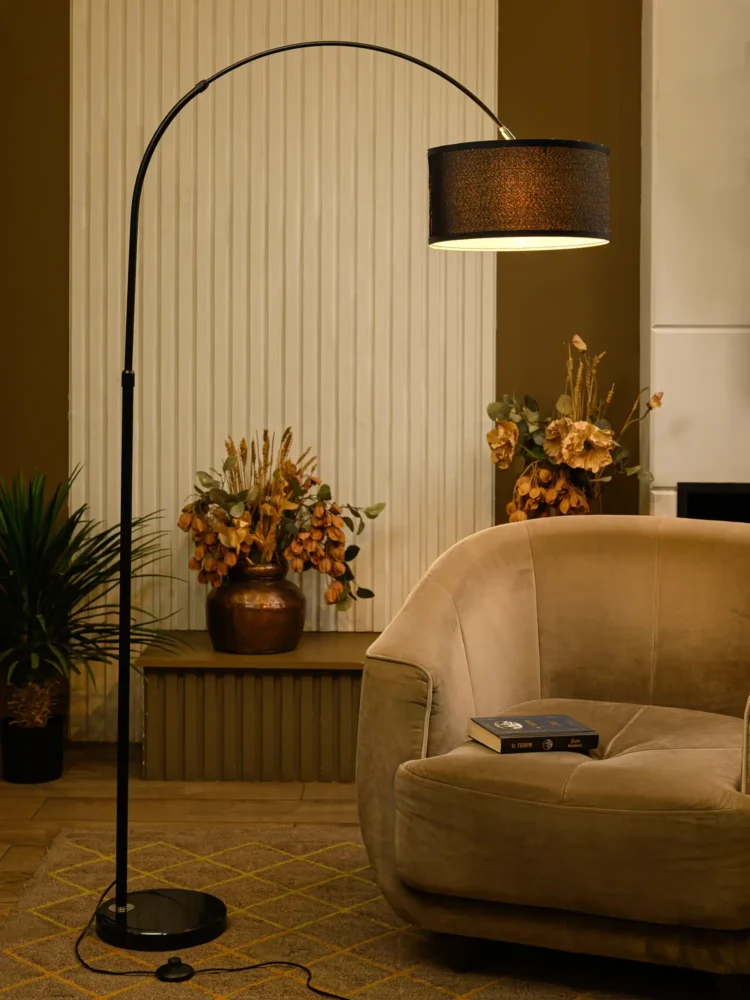
A floor lamp behind a couch becomes part of the seating arrangement when the sofa stands away from the wall. An arc can bring the shade forward while its base stays at the edge. When choosing floor lamps for sectional sofas, focus on the seat or part of the L that needs light.
A collection can include both an over-seat design and a softer ambient option. They give customers different reasons to buy. Our discussion of arc and tripod floor lamps explains the structural differences; here, we would choose the role each design should have in your range.
What makes a sofa lamp worth adding to your range?
We look for a combination customers can understand: an attractive design, a useful light position and features that suit everyday use. Materials help express the style, while the frame and shade determine how the lamp works around the seating.
Adjustable reach gives the design a practical purpose
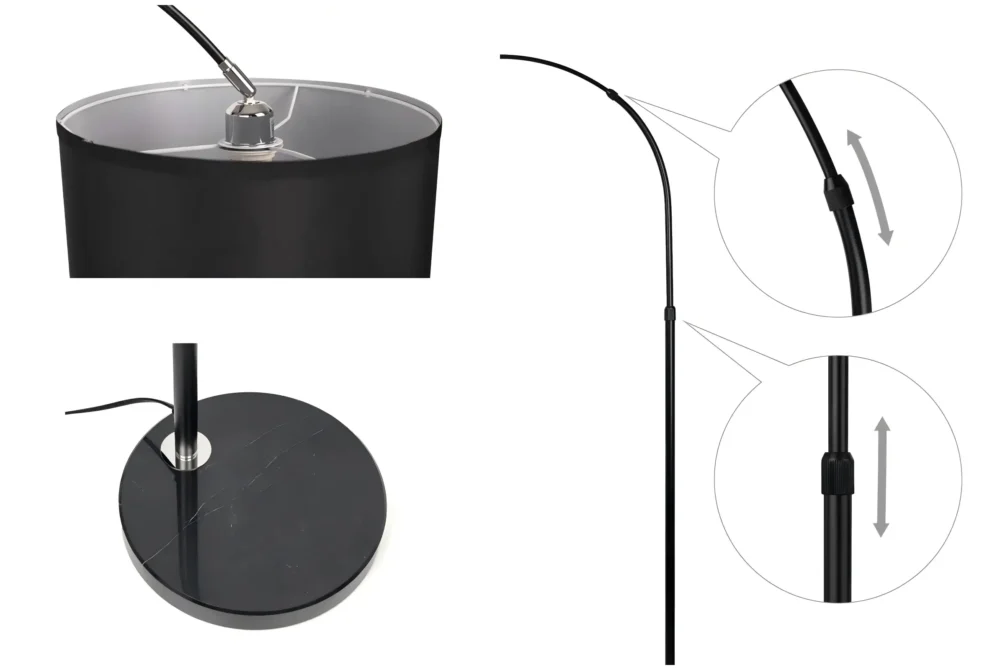
Our adjustable arc floor lamp with a fabric shade combines a telescopic metal frame, a natural marble base and a fabric drum shade. The frame allows height and reach adjustment, giving buyers more flexibility when positioning the shade around a sofa or armchair.
For a retailer, that is a specific benefit to show. A side view with the shade above the intended seat explains the design more clearly than a freestanding image alone. The product drawing then helps customers judge whether that arrangement fits their own furniture.
We would present adjustment as part of the lamp’s use, alongside its appearance. The exact reach and available positions should come from the selected model rather than a general arc-lamp description.
Materials give customers something visible to choose
The marble base adds stone texture and natural variation in its veining. The metal frame keeps the outline slender, while the fabric shade lets some light pass through its sides as well as the opening below.
That combination gives the lamp a different character from an all-metal reading light or a sculptural decorative piece. The black and white versions also offer different looks within the same design.
Choose materials that complement the furniture your customers sell, whether that means pale upholstery, dark wood or metal accents. A close-up of the base and fabric can help communicate that choice before someone sees the sample in person.
How do you choose the right size and light?
We recommend comparing the lamp in its intended sofa position, rather than choosing by overall height alone. The shade needs to reach the right place, and the base needs a practical place to stand.
Look at the whole arrangement
For an over-the-couch lamp, useful dimensions include the horizontal reach, shade position and base footprint. Together, they show whether the design can bring light over the chosen seat.
A simple side-view drawing is often enough to start the conversation. We would look at the assembled reach and shade height first. Carton dimensions are useful for shipping, but they do not show where the light will sit.
The product image and drawing should answer the same question. If the image shows a deeply extended arm, the dimensions for that position are more useful than a height measured with the frame drawn back.
Match the light to the customer’s routine
A reading-focused sofa lamp needs to place useful light near the person using it. An ambient design can instead contribute a softer glow around the seating. The fabric, opening and orientation of the shade all affect that result.
Our lampshade sizing and fit guide explains how proportions and mounting position work together. For collection selection, we would also consider the view from the sofa: the lamp should feel comfortable to sit beside, with controls that remain easy to reach.
On a replaceable-bulb model, the chosen bulb influences brightness and color temperature. That makes the included light source, if any, part of the product choice. A maximum socket wattage alone does not describe the lighting experience.
Which options can make the collection your own?
We would choose options that give the collection a clear look or a useful difference for its customers. A finish, shade or control change should have a purpose in the range.
Finish and shade choices
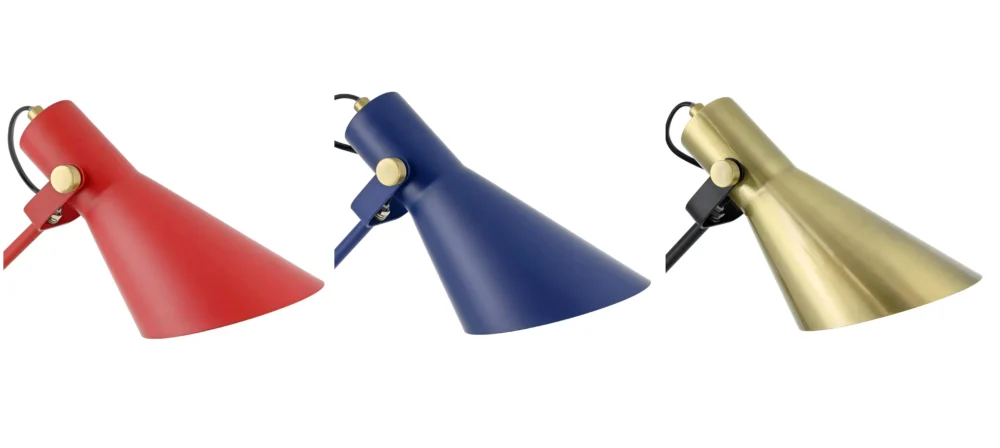
Black can create contrast against lighter upholstery, while white can sit more quietly in a pale room. The fabric’s color and texture also influence how prominent the shade feels when the lamp is off.
A different shade can change the proportions and light distribution, so it is worth considering it on the frame rather than as a separate decorative choice. We recommend comparing the complete combinations your customers will see.
For brands, this is a chance to bring the lamp closer to an existing furniture or lighting collection. A reference image or finish sample gives us a more useful starting point than a broad request for a modern style.
Branding and presentation
With iLEDGlow, you can discuss finish, branding and packaging requirements alongside model selection. These details can make a standard product more consistent with the way your brand presents its range.
For ecommerce, we would show the whole lamp beside a sofa, then add the views customers need to understand its size, materials and operation. For a showroom, the same design can be presented with furniture that makes its intended use clear.
The configuration in those images should be the one customers receive. Keeping the shade, finish and light-source information consistent makes the product easier to explain across your sales channels.
How can you tell whether a sample suits your customers?
We recommend looking at appearance and everyday use together. The sample gives your team a chance to judge the materials in person and see whether the design supports the sofa arrangement you have in mind.
Start with the overall impression
Look at the marble or metal finish, fabric texture and proportions together. Then place the lamp beside the intended furniture, or use its dimensions as a reference. This helps you judge the scale beyond what a catalog image can show.
Try the adjustment and controls as a customer would. For reading, check where the light falls; for ambient use, look at the effect around the sofa. A comfortable control position is part of the product’s appeal.
You can also compare the sample with the photographs planned for your listing. This is a useful moment to decide which angles best show its scale and material details.
Tell us what you would like to keep or change
If this design fits your collection, tell us which details you would like to keep or change—from the finish and shade proportions to branding and packaging. We can explore the available options together.
A few photographs and clear comments give us a practical basis for discussing the available options. Once the model and configuration are agreed, the sample, quotation and product information can refer to the same version.
When you discuss a floor lamp collection with our team, share the sofa settings you want to serve, the designs you like, your quantity and any branding or packaging ideas. We can then discuss model selection and customization around a clear product direction.